Table of contents
Master’s thesis in Mass Communications · Liverpool John Moores University
Completed under the supervision of Jan Maloch.
Abstract
This thesis examines the factors associated with the effectiveness of the Taliban’s media strategy against NATO forces in Afghanistan. Using qualitative analysis of documentary and media material, it considers the interaction between propaganda, communication channels and the cultural and political conditions of the conflict. The discussion focuses principally on the period from 2001 to 2021, with later literature used to interpret those developments.
The analysis identifies several recurring features: the combination of traditional and digital communication, the use of culturally recognisable narratives, rapid engagement with news events, and the exploitation of grievances arising from governance failures and coalition conduct. It also considers NATO’s difficulties in sustaining credible and coordinated communication with local audiences.
The argument is that communication should be understood as part of the wider political and social environment of the war. The findings do not establish the independent causal contribution of media strategy to the Taliban’s military and political success, nor do they measure the responses of a representative population. They instead offer a contextual interpretation of selected communication practices and the conditions in which these practices operated.
The thesis contributes to discussion of propaganda, strategic communication and media credibility in conflict. It highlights the importance of local knowledge, source verification and careful distinctions between message circulation, audience engagement and demonstrable persuasion.
Chapter 1 Introduction
1.1 Topic and Context
This dissertation examines the factors associated with the effectiveness of the Taliban’s media strategy against NATO forces in Afghanistan. It considers how the movement combined traditional communication practices with newer media and exploited weaknesses in the public credibility of its opponents. Earlier research identifies both the movement’s capacity to reach local audiences and the difficulty of measuring the effects of its messaging (International Crisis Group, 2008; Foxley, 2010).
The Taliban’s communication developed within a wider context of dissatisfaction with governance and the conduct of the conflict. Weigand (2022) links the movement’s expansion to the failure of the international intervention to establish legitimate authority. Concerns about the communication challenge also appeared in contemporary reporting: Voice of America (2009) reported Hillary Clinton’s assessment that the United States was losing the media war in Afghanistan and Pakistan.
After 2001, investment in Afghan media helped expand television, radio, print and mobile communication. This expansion created opportunities for public debate but also raised questions about sustainability, independence and credibility (Himelfarb, 2010). These conditions shaped the environment in which government, international and insurgent communicators competed for attention.
Arjomand (2022) examines the relationship between television and cultural conflict in Afghanistan. This perspective draws attention to how media ownership, language and audience identity can influence the subjects and viewpoints represented in public communication.
Private media outlets often reflect the ethnic diversity of Afghanistan, with some outlets being associated with specific ethnic groups. This can be both positive, by giving voice to different communities, and negative, as it can reinforce divisions. Many private media outlets cater to specific ethnic communities by broadcasting in their native languages and offering content that resonates with their cultural identity. This can help in preserving cultural heritage but can also lead to linguistic divisions.
A United States Institute of Peace meeting on February 23, 2010 brought together media producers, policymakers, military officers, government officials and scholars to discuss media and peacebuilding in Afghanistan. The resulting report argued that counter-propaganda alone was insufficient: a credible media environment was needed to support public discussion of Afghan needs and possible solutions (Himelfarb, 2010). This emphasis on credibility and local context is relevant to understanding the Taliban’s use of culturally and religiously resonant narratives.
This study examines the factors that contributed to the effectiveness of the Taliban’s media strategy during their insurgency against foreign forces. It analyses communication methods, propaganda techniques and digital outreach, considering how these interacted with Afghan cultural and political conditions. The discussion draws on media and communication studies, insurgency and counterinsurgency research, and the study of psychological warfare.
1.2 Focus and Scope
The dissertation examines the following dimensions of the Taliban’s media strategy:
Propaganda techniques: The analysis considers how the Taliban connected their messages with public dissatisfaction and perceptions of government weakness (Dorronsoro, 2009). It examines emotional appeals, narrative framing and the use of incidents involving foreign forces.
Use of social media: The study examines how digital platforms extended the Taliban’s communication channels. Their adaptation was pragmatic: “their understanding and usage of communication media have grown accordingly” (Foxley, 2010, Background section). Platform use, however, does not by itself establish the effectiveness of a message.
Psychological Warfare: Exploring the psychological impact of the Taliban's media strategy on both Afghan civilians and NATO forces, including how it influenced morale, decision-making, and perceptions of the conflict.
Media Infrastructure: Investigating the development of the Taliban's media infrastructure, including production capabilities, distribution networks, and coordination. Additionally, assessing how the terrorist group used the media for their purposes.
Counter-Narratives: Assessing the effectiveness of NATO's counter-narratives and media strategies in countering the Taliban's messaging and propaganda efforts.
Public Perception and Support: Analyzing how the Taliban's media strategy contributed to gaining local and international support, eroding trust in NATO forces, and legitimizing their cause.
Cultural and Sociopolitical Factors: Considering how the Taliban's media strategy aligned with cultural norms, exploited societal grievances, and tapped into broader political and religious narratives.
1.3 Relevance and Importance
The topic has implications for strategic communication, conflict research and the study of propaganda. Examining how the Taliban combined media tactics with cultural and political narratives can help explain the difficulties faced by NATO and the Afghan government in communicating with local audiences. It also contributes to understanding how insurgent groups exploit grievances and information gaps during conflict.
The analysis connects research on propaganda, information operations and counterinsurgency with the changing role of digital platforms. By comparing the Taliban’s communication practices with NATO’s responses, the study identifies questions relevant to policymakers, media practitioners and researchers examining communication in conflict-affected settings.
1.4 Aims and Objectives
This research examines the Taliban’s media strategy during the conflict with NATO forces in Afghanistan. It considers traditional and digital channels, propaganda techniques, narrative framing and the cultural context of communication. The aim is to identify recurring practices and the conditions associated with their apparent effectiveness, while distinguishing the circulation of messages from independently measured audience effects.
The Taliban's media strategy in Afghanistan was successful due to various factors, including propaganda and narrative control, exploiting information vacuums, utilizing social media platforms, communicating in local languages, employing psychological warfare, exploiting civilian casualties, infiltrating Afghan media outlets, demonstrating adaptability and flexibility, and maintaining consistent messaging across different platforms. These factors contributed to the Taliban's ability to control the narrative, manipulate information, and maintain a unified narrative, while also promoting violence and violating human rights principles.
1.5 Research Questions
The following research questions guide the analysis of the Taliban’s media strategy against NATO forces in Afghanistan:
1- How did the Taliban effectively utilize media and digital platforms to disseminate their messages to influence the perception of Afghan populations against Foreign Forces and reach a broader audience?
2- What were the main themes and narratives propagated by the Taliban against NATO forces and Western-backed Afghan government, and how did these resonate with different target audiences?
3- How did the Taliban tailor their messaging to align with Afghan culture, values, and beliefs, and how did this contribute to the strategy's success?
4- To what extent did the success of the Taliban's media strategy contribute to their overall military and political objectives in Afghanistan?
1.6 Overview of Structure
Chapter 1: Introduction
Chapter 1 introduces the topic, defines the scope and relevance of the study, and presents its aims and research questions.
Chapter 2: Literature Review
Chapter 2 reviews relevant literature, identifies gaps and establishes the conceptual basis for the analysis.
Chapter 3: Research Methodology
Chapter 3 explains the research approach, source selection and methods of data collection and analysis.
Chapter 4: Discussion (Analysis of the Taliban Media Strategy)
Chapter 4 analyses propaganda, social media, psychological warfare and media infrastructure. It compares the Taliban’s messaging with NATO’s responses and considers the cultural and political conditions that shaped their communication.
Chapter 5: Conclusion and Recommendation
Chapter 5 draws together the findings, addresses the research questions and presents recommendations for future research.
Together, these chapters examine how media practices and the wider context of the conflict shaped the Taliban’s communication strategy.
Chapter 2 Literature Review
2.1 Context
The conflict in Afghanistan witnessed an unconventional battleground—media. The Taliban's media strategy has remarkably influenced the narrative surrounding the conflict and played a pivotal role in the Taliban success against NATO forces. Through a combination of effective propaganda, psychological warfare, and exploitation of modern communication tools, the Taliban managed to shape narratives, gain support, and weaken the resolve of their adversaries.
Afghanistan found itself at the threshold of a new era in information technology, even as a substantial portion of its population remained devoid of basic literacy skills. This transition occurred in tandem with the escalation of not just the conventional "frontline" warfare but also the less overt "soft war," which took root after 2007. This new dimension of propaganda introduced yet another layer of complexity for a generation that had barely emerged from the throes of conflict. The Taliban, adeptly seized this opportunity to exploit the void in information among both the educated and illiterate populace of Afghanistan. Modern warfare transcends physical battlegrounds. The rise of digital media platforms has amplified the significance of media strategy in shaping perceptions, spreading ideologies, and influencing public sentiment. This paradigm shift underscores the Taliban's astute utilization of media in their fight against NATO forces.
The Taliban's media strategy progressed from rudimentary efforts to a sophisticated campaign encompassing various media outlets. They skillfully harnessed websites, social media platforms, videos, and more to communicate their messages, recruit fighters, and maintain their influence.
A pivotal aspect of the Taliban's media success lay in tapping into psychological factors that resonated with their audience. By intertwining historical, religious, and cultural narratives, the Taliban created a sense of connection and familiarity, bolstering their appeal and establishing an emotional bond with their followers.
The Taliban's media machinery excelled in the art of propaganda. Through visual narratives and emotional stories, they projected their fighters as brave heroes, fostering an emotional connection with viewers. This emotional resonance helped them garner sympathy, support, and admiration for their cause.
A vital facet of the Taliban's media strategy was discrediting their adversaries, particularly NATO forces and the Afghan government. They deftly employed misinformation and manipulation of facts to undermine their opponents' credibility, thereby furthering their own narrative.
The media strategy played a significant role in the Taliban's recruitment efforts. By showcasing successful operations and portraying their fighters as heroic figures, they attracted individuals seeking purpose and belonging. This blend of glorification and identification catalyzed recruitment and radicalization.
The success of the Taliban's media strategy illuminated NATO's challenges in countering their narrative effectively. A lack of a unified media strategy within NATO forces, combined with linguistic and cultural barriers, hindered their efforts to challenge the Taliban's media dominance.
The Taliban's media strategy extended beyond national borders, significantly impacting public opinion on a global scale. Through evocative visuals and narratives, they crafted a distinctive narrative that shaped how the conflict was perceived worldwide.
The success of the Taliban's media strategy raises ethical concerns about the exploitation of media for propagating violence. The strategic manipulation of emotions and narratives underscores the complex ethical implications associated with media in conflicts.
The triumph of the Taliban's media strategy yields valuable lessons for future conflicts. It emphasizes the importance of cultural understanding, the need for a coordinated media response, and the necessity to address the role of media platforms in contemporary warfare.
Digital communication reduced some of the practical barriers to circulating messages. Mobile phones, websites and other channels allowed material to move between local networks and wider audiences. Foxley (2010) describes the Taliban’s increasing use of these tools while cautioning against equating technological adoption with communication effectiveness.
The Taliban’s propaganda drew on dissatisfaction with government corruption, inadequate services and the presence of foreign forces. Dorronsoro (2009) describes the movement’s use of these grievances within a narrative of resistance. This approach sought to connect political objectives with concerns that were recognisable to local audiences.
For example, The Guardian (2012) reported that the burning of copies of the Quran at Bagram air base in February 2012 prompted protests and international condemnation. The Taliban used the incident in propaganda against foreign forces and the Afghan government, presenting themselves as defenders of religious values. The incident illustrates how coalition actions could provide material for insurgent messaging.
The propaganda machine of the Taliban significantly influences recruitment, capitalizing on the Afghan government's limited control over their narratives. By blending modern and traditional propaganda methods, they catered to both educated and illiterate villagers. Traditional methods, with their inherent effectiveness, found a receptive audience among the uneducated.
The Taliban's media strategy's triumph against NATO forces is a testament to the confluence of psychological tactics, propaganda techniques, and nimble adaptability. Communication within Afghanistan is intricate, involving NATO forces, Afghan citizens, and the Afghan government striving to connect with remote communities. Gaining public support was a pivotal goal during the US-led invasion and Afghanistan's subsequent development, but this endeavor has largely faltered. Both NATO and the Afghan government attempt to shape media narratives, offering funding and training to media outlets. Prominent officials leverage their positions to steer media priorities and editorial choices. Nevertheless, even though pro-government media tends to downplay or criticize the Taliban, their communication remains effective. Despite efforts to sway the public opinion, the Taliban manages to maintain its influence.
Crucially, the propaganda machinery of terrorist groups capitalizes significantly on recruitment. They exploit the Afghan government's limited control over their narratives to serve their recruitment objectives. This involves blending modern propaganda methods with traditional ones, rendering their messaging accessible to both the educated and the illiterate rural populace. The effectiveness of traditional advertising methods lies in their simplicity and resonance, allowing them to be readily absorbed by the minds of the target audience. One of the strengths of the Taliban in the propaganda war is knowing the audience. They know the native audience better than the government or foreign forces and can balance their message based on the values and beliefs of their audience. When the coalition forces spoke about democracy, human rights and liberal values to the villagers in the south, which were neither valuable nor recognizable to the local people, the Taliban talked about values such as Islam, Jihad and the fight against infidelity. They brought values that were both recognizable and important to the audience. The Taliban know the people of the villages and their audience very well, and they know which message and how to convey it to the Taliban audience and their acquaintances.
The first factor lies in the Taliban's adept use of media platforms. They skillfully utilized social media, websites, and messaging apps to disseminate their messages, recruit fighters, and maintain a global presence. Their understanding of the digital landscape enabled them to reach a wide audience, including both sympathizers and potential recruits. By capitalizing on these platforms, the Taliban ensured that their narrative was not only heard but also amplified, garnering international attention and shaping perceptions.
Secondly, the Taliban effectively blended traditional and modern media tactics. They combined classic insurgent techniques, such as written statements and audio messages, with contemporary visuals like videos and images. This hybrid approach allowed them to appeal to a diverse range of audiences, from rural communities with limited access to technology to urban youth familiar with digital media. Consequently, their messages resonated across different demographics, enabling them to galvanize both local and global support.
Another crucial element was the Taliban's narrative framing. They portrayed themselves as a resilient and legitimate resistance force fighting against foreign occupation. By tapping into Afghan nationalism and anti-imperialist sentiments, the Taliban crafted a narrative that resonated with segments of the Afghan population disenchanted with the presence of NATO forces. Their emphasis on cultural and religious identity further helped in garnering sympathy and support.
Psychological warfare played a vital role in the Taliban's media strategy. They used fear, uncertainty, and propaganda to create a perception of strength and inevitability. Their videos showcasing ambushes, attacks, and suicide bombings not only instilled fear in opponents but also attracted those who sought to be part of what they perceived as a powerful force. Moreover, the Taliban exploited psychological vulnerabilities, using hostages and prisoners for dramatic effect, manipulating emotions to amplify their messages. Also, the Taliban repeatedly said in their declaration that they will carry out more organized operations on the bases of international forces, their diplomatic centers and military airfields and will use any military tactics. This group warned the government employees and asked them to stay away from the government so as not to be attacked. Besides that, the Taliban group repeatedly asked the youth not to join the police and the Afghan national army. Also, this group asked its supporters and people to protect the lives and property of civilians and protect public infrastructures.
The Taliban's media strategy was also successful due to NATO's shortcomings in countering it. NATO forces struggled to provide a unified and compelling counter-narrative. The absence of a coordinated information campaign allowed the Taliban's version of events to go largely unchallenged, allowing them to control the narrative and maintain a strategic advantage. The lack of cultural understanding and language barriers further hindered NATO's ability to effectively engage with local populations.
Furthermore, the decentralized nature of the Taliban allowed them to adapt quickly to changing circumstances. This agility enabled them to exploit current events, such as civilian casualties resulting from NATO airstrikes, for maximum propaganda impact. In contrast, NATO's centralized decision-making processes often delayed their response, allowing the Taliban to shape perceptions first.
2.2 Review of Related Research
Existing research examines both the Taliban’s communication practices and the political conditions in which they operated. Mehran (2022), for example, describes a decentralised media strategy intended to extend outreach, sustain grassroots support and reduce vulnerability to leadership losses. International Crisis Group (2008) examines how the movement used political, social, economic and military networks to influence perceptions of the conflict.
Foxley (2010) describes the Taliban’s combination of conventional and newer communication methods. He emphasises the movement’s cultural and linguistic advantages among local Pashtun audiences, while also identifying limitations in its communication with wider international audiences.
Thomas H. Johnson has undertaken multiple visits to Afghanistan, and in 2001, he participated in the information operations effort leading up to the US invasion of the nation. He conducted research for his work titled "Taliban Narratives." The book evaluates the information strategies and narratives of the Taliban and Afghan insurgent groups, highlighting their success in conveying messages that resonate with Afghans. The author argues that their effectiveness is due to their use of culturally rooted methods like night letters, chants, poems, and other traditional tools, which are explained separately in separate chapters. As per Johnson, the Taliban consistently concentrate on rural settings and actions. The book delves into a comprehensive exploration of narrative tools like night letters, online platforms, DVDs, cellphones, videos, radio broadcasts, official statements, and even graffiti. It also examines traditional forms like poetry and chants, with a dedicated chapter focusing on the Taliban's regularly issued "Code of Conduct." In summary, Johnson concludes that the Taliban adopt straightforward aims in their strategic communication, utilizing a limited range of messages and narratives, and they achieve notable success in this approach. On the flip side, the US military and the Afghan government faced difficulties in crafting a convincing story because their accounts and overall narrative didn't connect with a sizable segment of the Afghan population (Johnson, 2018).
In December 2006, Senlis Afghanistan published a study in London, outlining critical observations for the Afghan government and its international partners. The study pointed out that the Taliban were effectively employing a hearts and minds strategy in southern Afghanistan, while the international community was struggling to do so. It also noted that the military forces on the ground were facing an increasingly hostile environment (Senlis, 2006).
As part of the SIPRI project, Tim Foxley in June 2007 analyzed the communication strategies employed by the Taliban. Despite their use of modern tools like the Internet, the Taliban's techniques remain rudimentary, largely developed at the local level, and exhibit only partial effectiveness. Their messages, often backed by threats and violence, resonate most with the Pashtun tribal audience along the Afghan-Pakistani border (Foxley, 2007).
A turning point occurred in July 2008 when a shocking incident took place. A US airstrike during a wedding in Afghanistan led to the deaths of 47 guests, including women and children. This event shattered trust in both foreign and local officials among the local population. During the same month, a Crisis Group study outlined key reasons behind the growing anti-foreign troop sentiment among ordinary Afghans in the south and east. The Taliban's propaganda emphasized several areas:
1- Criticisms of Guantanamo Bay and arbitrary detentions.
2- Concerns over civilian casualties.
3- Appeals to xenophobia.
4- Distrust in the corrupt government.
5- Demonstrations of power.
6- Legitimization for jihad and “suicide attacks”.
Foxley (2010) revisits the Taliban’s communication practices and discusses the difficulties faced by international and Afghan government institutions in responding promptly. His account points to the interaction between insurgent messaging and the conduct of the wider intervention, rather than attributing perceptions of the conflict to communication alone.
In summary, the Senlis Afghanistan study reveals the success of the Taliban's hearts and minds strategy, contrasting with the limited success of the international community. Tim Foxley's analyses underscore the simplicity of the Taliban's communication methods and their resonance within specific tribal audiences. Shocking incidents, such as the deadly wedding airstrike, eroded trust in officials, and a Crisis Group study highlighted the key points promoted by the Taliban in their propaganda. Foxley's predictions for the future and the Taliban's adept media approach further illuminate the challenges faced by international forces in countering their narrative.
Taken together, these studies identify the combination of traditional and digital communication, culturally resonant narratives and the exploitation of opponents’ weaknesses as recurring features of the Taliban’s media strategy.
Nissen (2008) explored how the Taliban accomplishes activities particularly distinct from International Security Assistance Forces (ISAF) Strategic Communications and military Information Operations. The terminology NATO employ to differentiate the Taliban's actions from NATO's information operations additionally, he further indentified how proficient is the Taliban in carrying out their information campaigns, and what actions ISAF can take in response.
Maley (2021) has compared the public relation of the Taliban before and after 2001, he concluded that in the post-2001 era, the Taliban's public relations strategies surprisingly utilized a broader array of methods than anticipated. These approaches encompassed the use of magazines and printed materials, the distribution of 'night letters' – covertly posted or circulated messages, often containing warnings or threats – and even the dissemination of a propaganda-driven 'code of conduct' designed to influence the behavior of Taliban fighters during armed conflicts. Furthermore, the Taliban actively embraced the evolving realm of electronic communication.
Hussaini and Morris (2020) analyse the Taliban’s use of frames in information operations. Their study draws on digital material and physical sources collected in Kabul, identifying 66 frames grouped around five core messages. This approach provides a way of examining how particular issues are presented as problems and how proposed responses are linked to the movement’s political objectives.
2.3 Research Gap and Conclusion
The literature reviewed here leaves scope for a closer examination of how Taliban messages reached ordinary Afghans through both formal media and local intermediaries. This study addresses that question by analysing websites, statements, social-media material, chants and sermons. It considers how Taliban spokespersons and mosque imams framed events and how their messages related to local cultural and political concerns.
Chapter 3 Methodology
3.1 Research Methodology
This chapter sets out the research approach used to examine the Taliban’s media strategy against NATO forces in Afghanistan. It explains the choice of qualitative methods, the use of secondary sources, source-selection criteria, analytical procedures and ethical considerations.
Qualitative research examines meanings, experiences and processes, while quantitative research uses numerical data to investigate patterns and relationships. Mixed-methods designs combine these approaches. The choice depends on the research question and the available evidence; this study uses qualitative documentary analysis.
As Mohajan (2018) asserts, mixed research represents a hybrid approach that empowers scholars and researchers to blend qualitative and quantitative research methods. The quantitative data obtained from this method provides a comprehensive overview of survey results, enabling the provision of optimal support services. In essence, research methodology is the compass guiding researchers towards the accurate and insightful exploration of their chosen topics.
Qualitative data encompasses the depiction of intricate details and individuals' perspectives within survey outcomes. The integration of mixed methods plays a pivotal role in effectively researching your chosen subject. When dealing primarily with theoretical concepts and frameworks, researchers should lean towards qualitative approaches, while quantitative research is more suitable for numerical topics.
A qualitative approach is appropriate to the research question because it allows close examination of messages, meanings and context. The study draws on books, research articles, websites, newspapers, magazines, Taliban statements, social-media material, sermons and chants to examine how communication was directed towards different audiences.
The choice of qualitative analysis follows from the research questions, which concern messages, meanings and context rather than the estimation of population-level effects.
Qualitative analysis makes it possible to examine nuances in communication that may not be captured by numerical measures alone. It is therefore useful for studying how the Taliban connected their messages with the cultural and political experiences of their audiences.
Qualitative approaches can examine experiences, meanings and processes in depth, but their value depends on the research question and the quality of their application (Hammarberg et al., 2016). In this study, documentary and content analysis provide a way of examining how messages were constructed and contextualised.
However, qualitative research method does come with certain drawbacks that demand careful consideration. One notable drawback pertains to the challenge of determining an appropriate sample size, as pointed out by Rahman (2016). Furthermore, samples gathered by researchers may exhibit bias and lack complete objectivity, necessitating vigilance when employing this method in academic research.
Despite these limitations, qualitative research boasts several advantages that enhance its appeal. Notably, it proves to be a highly effective methodology, offering the added benefits of cost-efficiency and time-effectiveness. These factors hold significant importance for anyone embarking on a research endeavor, making qualitative research an attractive choice for those seeking to conduct comprehensive and expedient investigations.
The study examines Taliban-produced material, including websites, statements, social-media posts and chants (taranas), alongside published research and institutional reports. It considers how spokespersons and religious intermediaries addressed audiences and how their messages related to the wider conflict.
Existing research literature underscores how the chosen research strategy significantly influences the processes of data collection, analysis, and interpretation (Abutabenjeh & Jaradat, 2018). This concept establishes the theoretical foundation for the inquiry and serves as a guiding framework throughout the entire research endeavor.
The study is based on the qualitative interpretation of secondary documentary material. Its principal analytical concern is the relationship between message content, communication channels and the political and cultural context of the conflict.
3.2 Research Type and Design
The research design is qualitative and documentary. It compares selected communication products and relevant secondary literature to examine recurring themes, forms of address and representations of the conflict. It does not use a representative audience survey or estimate the numerical reach of individual messages.
3.3 Data Collection
The documentary material includes published research, institutional reports and publicly available media texts. These sources are considered in relation to their origin, intended audience and purpose.
3.3.1 Content Analysis
Content analysis focuses on statements, publications, social-media material and discussion of chants. The analysis considers how events were framed, how audiences were addressed and how different communication channels were used. Taliban material is examined alongside accounts of NATO’s communication practices and relevant secondary research.
3.3.2 Data Processing
The analytical process organises material by recurring themes and communication practices. Attention to source provenance, consistency and the purpose of each text supports comparison across documents. The available record does not provide a complete reproducible inventory of every item consulted; this limits the extent to which the analysis can be independently replicated.
3.3.3 Data Analysis
Analysis examines recurring themes in the sources and compares the Taliban’s communication practices with the responses and institutional accounts of NATO and the Afghan government. Particular attention is given to narrative framing, the use of different media and the cultural conditions in which messages circulated.
Thematic analysis stands as a consistent and valuable tool for our data analysis process. It is effectively employed to identify and dissect recurring themes and patterns within our qualitative data, as articulated by Braun and Clarke (2022). This approach greatly aids in organizing and examining the qualitative data that pertains to the success of the Taliban media efforts against US-led foreign forces in Afghanistan. Saura (2021) highlights the relevance of thematic analysis due to its ability to delve into the intricate nuances found within qualitative data. This method enables us to gain a comprehensive understanding of various perspectives of the chosen topic. By discovering and categorizing recurring themes, we can shed light on the multifaceted dimensions of media influence in war.
A systematic analytical procedure can improve the consistency and transparency of interpretation (Castleberry & Nolen, 2018). Documenting coding decisions and comparing themes across sources supports the assessment of findings, although it does not remove the limitations of the underlying material.
The analytical approach combines source selection, thematic coding and comparison across Taliban and NATO materials. These procedures provide a structured basis for examining recurring messages and assessing the relationship between communication practices and the wider conflict.
Interpretation connects the themes identified in the documentary material with the research questions. Comparing sources can reveal similarities, disagreements and omissions, but it does not independently verify every claim made by parties to the conflict. Conclusions about effectiveness therefore remain qualified by the available evidence.
Interpreting these findings requires attention to the origin and purpose of each source. Comparing material from several sources can strengthen the analysis, but it cannot remove the uncertainties associated with propaganda or establish audience effects on its own.
3.4 Sampling and Criteria for Inclusion and Exclusion
To conduct our secondary research on the effectiveness of the Taliban media strategy against NATO forces in Afghanistan, I have carefully chosen tens of publications of the Taliban which includes magazines, annual reports, imams’ speeches, websites, chants, statements, and social media posts and many other communication products they shared with the public are part of this research. On the other hand, the publication and media efforts of the NATO forces against the Taliban will also be assessed. My primary focus has been on publication published by both the Taliban and the NATO forces in the last two decades (2001-2021). Examining NATO and the Taliban's publications from 2001 to 2021 provides valuable insights into geopolitical developments, military strategies, and the evolving dynamics in the region. This period encompasses crucial events like the Afghanistan War, allowing for a comprehensive analysis of international perspectives, conflict narratives, and media campaign. Understanding the communication strategies of both entities can contribute significantly to academic research and a nuanced understanding of the geopolitical landscape during this transformative period. In this research, a special focus on the motivations of extremism in the Taliban website, the speeches of the imams of the mosque in Kabul and other provinces, especially the distant provinces, their statements, and their social media profiles (Facebook, Twitter, YouTube), etc. By using the sampling method, it started with the purposeful selection of social media accounts of active and prominent members of the Taliban. The initial list has been studied by tracking shared content and communications in online databases to identify and track Taliban social media accounts that are actively engaged in propaganda against the Afghan government and international forces.
Their social media accounts, chants, website contents and their statements are read on a daily basis to identify the religious, political or social and cultural issues or the events that are being discussed and the ideological and political narratives that are presented. The failures from the NATO forces on the ground which they advertised and promoted for their war propaganda against Afghan government and foreign forces.
Sources are selected for their relevance to the research questions and assessed in relation to their authorship, purpose and context. Because propaganda is itself part of the subject of study, biased material must be analysed critically rather than treated as an independent record of events. Comparison across sources helps identify agreements, contradictions and gaps in the evidence (Nielsen et al., 2020).
3.5 Ethical Considerations
Ethics holds a paramount role in the realm of scholarly research. Within this context, researchers must uphold the principles of research ethics, displaying a profound understanding of and commitment to the scientific tenets that underpin the research process. Diligent adherence to these principles and their continual expansion forms the bedrock of ethical research practice. It's essential to comprehend the ethical responsibilities inherent in research and to proactively steer clear of any potential misconduct throughout every phase of the research journey, setting the stage for successful research outcomes.
Scholarly research resembles a chain of interconnected links, where the strength of the entire chain hinges on the integrity and resilience of each individual link. Research ethics functions like an overarching umbrella, casting its protective shadow over this process, nurturing its growth, and fortifying it. Ethical considerations in research serve as a guarantor of quality, enabling researchers to navigate the research process with heightened precision.
Research ethics is relevant to source selection, interpretation and presentation. The analysis should distinguish evidence from inference, represent sources accurately and avoid presenting propagandistic claims as established facts.
It's crucial to underscore that the data sourced from books and magazines, publication of the Taliban and NATO forces in this study constitute secondary data derived from credible and reputable sources. Within the realm of research ethics, one of the foremost ethical responsibilities revolves around honesty and trustworthiness. In my exploration of the aforementioned issues, I am steadfast in my commitment to presenting results with unwavering honesty, refraining from distorting information or appropriating the ideas and viewpoints of others as my own.
The study relies on documentary and publicly available material. Care is required when reproducing material that identifies individuals or contains sensitive claims. Public availability does not remove the need to consider the consequences of republication.
Concerning research methods in mass communication, the predominant focus centers on analysis and evaluation, encompassing techniques such as scrutinizing diverse information sources and employing content analysis. Adherence to legal and regulatory requirements is an imperative universal standard, necessitating the strict observance of a set of principles and guidelines throughout the research process.
The discussion is presented as analysis of documentary material. No claim of independently verified institutional ethics approval is made here. Research on extremist communication requires particular care to avoid reproducing propaganda without context or attributing responsibility beyond the available evidence.
3.6 Time Horizon
The study considers materials relating principally to the period from 2001 to 2021. It brings these sources together for qualitative comparison, rather than following a panel of participants over time. General distinctions between cross-sectional and longitudinal designs provide methodological context, but the present analysis does not use participant-level longitudinal measurements (Daniel, 2019; Kesmodel, 2018).
The findings therefore describe patterns identified in selected documentary material. They do not establish the distribution of views across the Afghan population or measure changes in individual attitudes over time.
The findings can inform future comparative research on communication in conflict. Further studies could test the audience effects suggested by documentary analysis through interviews, surveys or other appropriate methods.
3.7 Scope
The scope is limited to selected aspects of the Taliban’s communication strategy and the responses of NATO and the Afghan government. It covers propaganda, social media, psychological warfare, media infrastructure and the cultural framing of messages. The analysis does not attempt to account for every communication product or every phase and locality of the conflict.
3.8 Research Limitations
The availability of data, especially from NATO sources, may be limited or subject to censorship. This could potentially affect the depth of analysis. Access to primary sources, such as internal Taliban communications and decision-making processes, can be restricted, making it challenging to gain a comprehensive understanding of their media strategy.
Analyzing the Taliban's media strategy involves dealing with potentially biased or propagandistic content, making it difficult to verify the accuracy of information and the true impact of their messaging. Despite efforts to maintain objectivity, it is important to acknowledge that bias may exist within media content and documents. Therefore, findings should be interpreted considering potential biases.
Conducting research in Afghanistan during the rule of the Taliban could pose significant security risks, limiting the ability to collect data. Comprehensive data on the reach and impact of the Taliban's media campaigns may be limited, making it challenging to assess their success accurately.
The effectiveness of the Taliban's media strategy may have varied over time and across different regions of Afghanistan, so research may not capture the full spectrum of their strategies and tactics.
3.9 Conclusion
Qualitative documentary analysis is useful for examining the meanings, contexts and practices represented in the selected material. Its contribution here is interpretive: it provides a structured discussion of communication in conflict rather than a statistical test of audience effects.
The methodology combines content analysis and document analysis to examine the Taliban’s communication strategy and NATO’s responses. Source comparison supports the interpretation of recurring themes, while the limitations of the available material must remain explicit.
This approach provides a basis for examining communication practices within the Afghan context without assuming that the reach or effects of every message can be measured directly.
Chapter 4 Discussion
4.1 Media during the First Rule of the Taliban (1996-2001)
During the Taliban’s first period in power, television and several other forms of visual and cultural media were restricted. After the movement’s removal from power, its approach to communication became more pragmatic. Foxley (2007, 2010) traces this shift towards the use of modern media alongside existing local practices. Mir (2005) also discusses the movement’s adoption of technologies it had previously opposed.
Afghanistan embarked on its journey into the realm of information technology, despite the fact that a significant portion of its population was still grappling with illiteracy. The introduction of new propaganda methods posed a fresh challenge for a generation emerging from the shadows of war. The Taliban, seized the opportunity to occupy the information space, targeting both the literate and illiterate Afghan citizens. They invested significant efforts in propagating their narratives.
The progress of Afghanistan's media industry is commonly acknowledged as an achievement in the post-Taliban era. However, after 2001 as the new Afghan government was formed, Afghanistan boasts a diverse media landscape that includes numerous television channels, approximately 100 radio stations, and hundreds of print publications. Additionally with the 3G internet service, mobile users increased to millions which could help the Taliban that their propaganda could easily consumed. According to Himelfarb (2010) in 2008, around six million mobile phone users were reported, and this figure was growing by an additional 300,000 users each month.
4.2 Social-Media Policies on Terrorist Content
Social-media platforms developed policies intended to restrict extremist content and calls for violence. TOLOnews (2017) discussed Facebook’s efforts to counter terrorist propaganda, while Beck (2016) reported Mark Zuckerberg’s statements about hate speech. During the research, a search for the phrase د افغانستان اسلامی امارت produced the platform warning illustrated below. The screenshot records a particular interface response rather than demonstrating the overall effectiveness of platform moderation.
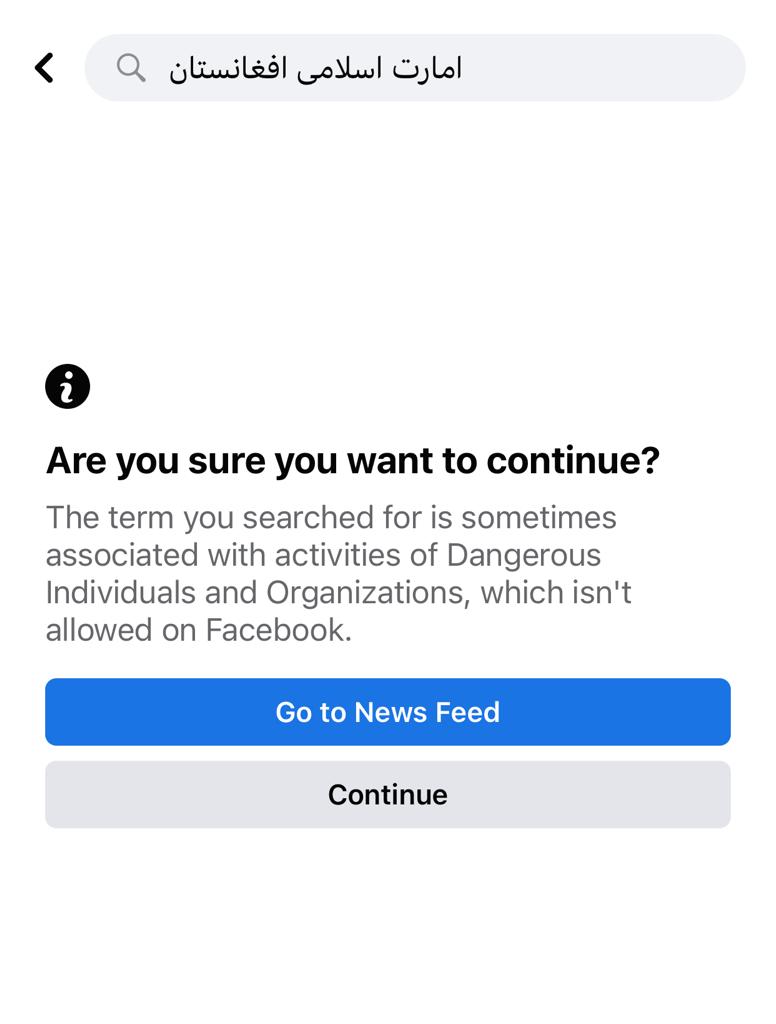
Figure 1. Facebook warning displayed for the search phrase used in the study.
Controlling terrorist content on social media requires cooperation among platforms, governments and other organisations. Content moderation and threat detection must adapt as communication practices change. In Afghanistan, gaps in policy and enforcement complicated efforts to respond to the Taliban’s online messaging.
4.3 Analysis of Findings
Afghanistan’s rural and youthful population provides important context for examining communication practices (Worldometer, 2023). The discussion here considers the role of mosque imams and other local intermediaries in transmitting political and religious messages. It examines how the Taliban presented the post-2001 government as dependent on foreign powers and how such claims interacted with existing grievances.
The Taliban’s public communication relied on spokespersons including Zabihullah Mujahid, Qari Mohammad Yusuf Ahmadi and Mohammad Naeem Wardak, alongside a wider network of social-media supporters. The material reviewed here suggests a combination of propaganda, psychological warfare, counter-narratives and culturally resonant messaging. It does not establish that these activities followed a single publicly available strategy document.
4.4 Propaganda Techniques
The Taliban’s use of chants and other accessible media illustrates the importance of locally recognisable forms of communication (BBC, 2012a). Dorronsoro (2009) connects the movement’s strategy with dissatisfaction among Afghans, while Weigand (2022) emphasises the consequences of weak state legitimacy and everyday experiences of corruption. These accounts suggest that media narratives should be analysed alongside the political conditions that made them persuasive.
Reports of Quran burning at Bagram air base in 2012 prompted protests and criticism of foreign forces (BBC, 2012b; The Guardian, 2012). The incident became a focal point in arguments about religious respect and the legitimacy of the international presence. It illustrates how events on the ground could supply material for competing political narratives.
CNN (2012) reported President Obama’s apology following the Quran-burning incident. The response illustrates the importance of official communication after events that threaten public trust, although an apology alone cannot establish whether confidence was restored.
Civilian harm was a recurrent subject of competing narratives. In assessing such material, it is necessary to distinguish documented incidents from claims advanced by parties to the conflict. This study does not independently validate the casualty totals circulated in insurgent messaging.
The Taliban and the use of nostalgia The Taliban can very well use the signs and memories of the past and the memories that people have some kind of attachment to them, in the direction of their own propaganda. One of the tricks of the Taliban is that they describe themselves as the continuation of the jihad of Muslims against the Soviet Union. They describe themselves as mujahideen who wage jihad against infidelity, like their fathers and ancestors who waged jihad against the Soviet Union and Britain. It is certain that the memories of the years of Jihad and the victory of the Muslims in leaving the Soviet Union, as well as the victory of the Afghans in the British war, somehow create national pride and the first feeling of nostalgic Afghans. Using extensive propaganda, the Taliban describe themselves as the mujahideen of the years of jihad and the Afghan-British war.
By comparing themselves with the Mujahideen against the Soviets and the British, the Taliban somehow described themselves as a part of the xenophobic history of Afghanistan and tied themselves to the traditions and customs of the people, which were attractive to the people and of course valuable. Their propaganda is skillfully crafted, utilizing effective timing and rhetoric that resonates with locals. They seize opportunities during NATO operations, challenging NATO's credibility by portraying them as harming Afghan civilians. They refer to themselves as freedom fighters, drawing on historical associations, and use metaphors like "crusaders" to describe NATO. The Taliban's understanding of local culture and their use of religious references grant them legitimacy and authority. Their messages align with their goals and counter NATO and Afghan Government messages effectively.
4.5 Use of Social Media
Social media extended the spaces in which NATO, Afghan government institutions and Taliban communicators addressed audiences. A GIZ report considered the development of social-media use in Afghanistan (Deutsche Gesellschaft für Internationale Zusammenarbeit, 2014). The wider relationship between media structures, power and propaganda is explored in Pedro-Carañana et al (2018). These sources provide context for considering how different actors sought visibility and influence.
Mass media and social media differ in their production arrangements and opportunities for participation. These differences affect how messages circulate, but lower distribution costs do not automatically translate into persuasion. Edy and Meirick (2007) examine the relationship between media frames and public responses to war, while Drissel (2015) analyses the Taliban’s communication and mobilisation practices in the digital environment.
The Twitter accounts examined for this study also publicised reported casualties among NATO forces and Afghan government troops.
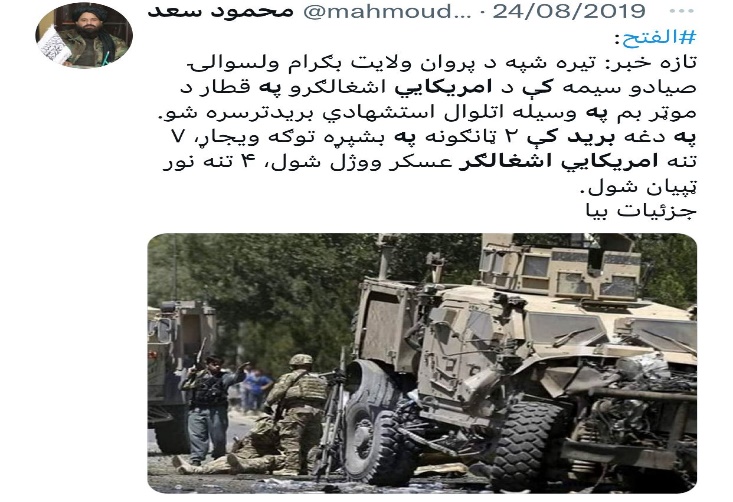
Figure 2. A Twitter post included in the thesis’s documentary material.
The Taliban's propaganda team also relied on YouTube to address the developments of the Taliban in Afghanistan, denounce the presence of NATO, and criticize the actions of the Afghan government. As I went through their YouTube Channels I found that, this was one the effective tools they used for their goals. General Mobeen is one of them who had established a modern studio for their programs and came live and discuss the progress of the Taliban. He regularly organized online session that joined by a group of the Taliban propagandists and discuss NATO airstrikes civilian casualties, considering NATO as infidel that occupied Afghanistan and have no respect for the values of this country and also Afghan government as a puppet regime.
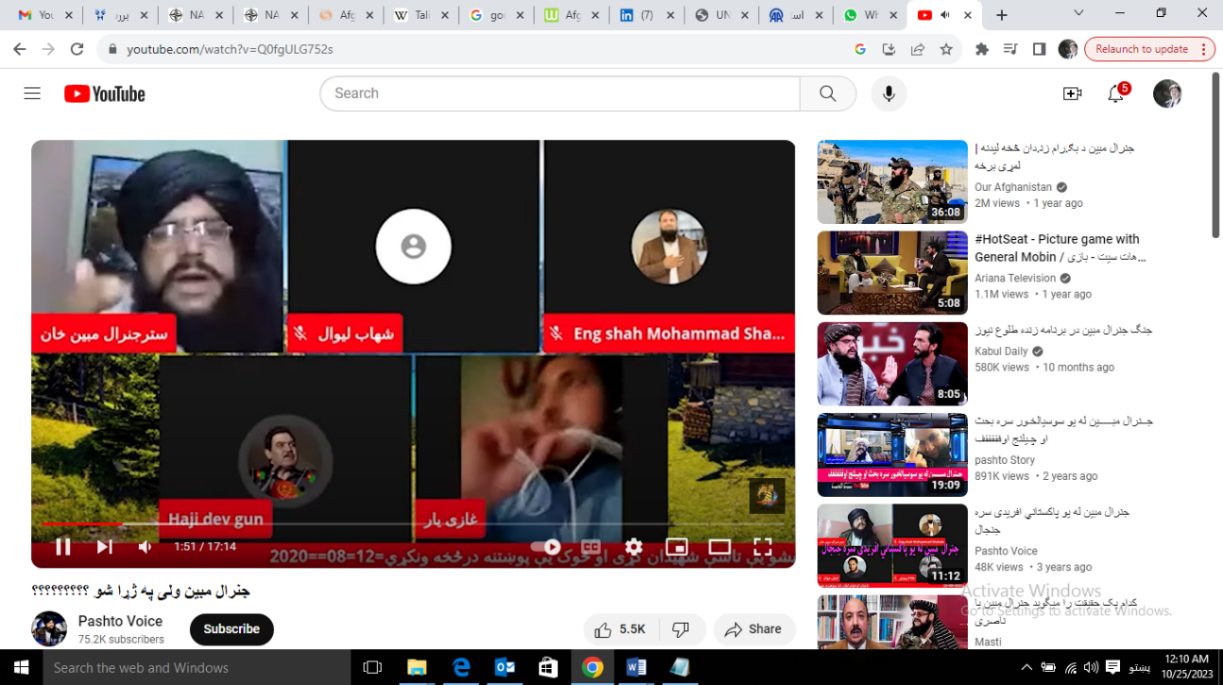
Figure 3. A virtual discussion included in the thesis’s documentary material.
The Taliban, the Afghan government and NATO all used social media, although with different objectives and resources. The material examined here suggests that Taliban communicators invested sustained effort in promoting their ideological and political messages. Their activity also reflected the wider conflict and the distrust among the public, government institutions and foreign forces.
4.6 Psychological Warfare
Recently, the Taliban has turned to employing compact commercial drones for reconnaissance operations and creating propaganda visuals depicting their assaults. They used remotely controlled drones as a new weapon against the Afghan security forces. The attacks carried out by commercial drones have propaganda value for the Taliban as a psychological war. In recent months, Taliban fighters and pro-Taliban user accounts have been posting the news in which the Taliban show off their new capabilities on social media to weaken the morale of the NATO and Afghan forces in the battlefields.
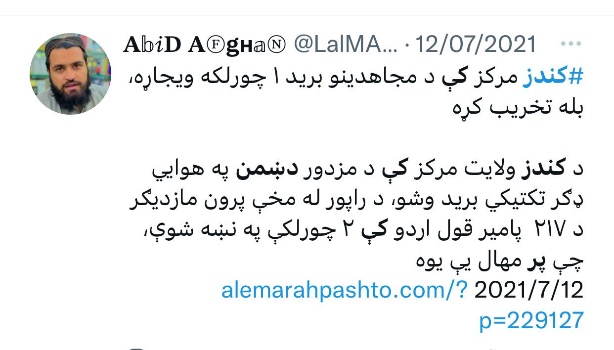
Figure 4. A Twitter post concerning drones included in the thesis’s documentary material.
The Twitter material examined included repeated claims of victory by Taliban supporters, some of whom did not disclose their identities or locations. These messages contributed to a narrative of momentum and eventual triumph.
Contemporary reporting described the killing of journalist Bismillah Aimaq in Ghor Province (BBC, 2021), the shooting of women’s rights activist Freshta Kohistani in Kapisa (DW, 2020), and the death of Kabul’s deputy governor in a bombing (Reuters, 2020). Radio Free Europe/Radio Liberty (2021) discussed targeted violence in relation to the wider conflict. These reports illustrate the climate of insecurity; they do not, by themselves, establish responsibility for every incident.
Such killings contributed to fear and anger towards the government. In the context of this study, their significance lies partly in the relationship between violence, public perceptions of security and the Taliban’s messaging.
4.7 Media Infrastructure
The following sections examine the principal communication channels identified in the material reviewed for this study.
4.7.1 Spokespersons
The Taliban’s spokespersons maintained communication with journalists through several channels. Sediqi and Jain (2019) describe the movement’s use of digital tools and the overlap between battlefield activity and media reporting. Such access offered opportunities to circulate claims rapidly, although the availability of a spokesperson did not guarantee the accuracy of the information supplied.
Official spokespersons performed several related communication functions:
Spokespersons provided a recognisable point of contact for journalists and helped present consistent accounts of the movement’s activities. Through statements, interviews and direct exchanges with media outlets, they sought to shape domestic and international interpretations of events. Their role also extended to diplomatic communication and the presentation of official positions during negotiations.
4.7.2 Social Media
In a conversation with Asharq al-Awsat in 2012, an Arabic newspaper based in London, Qari Yousuf Ahmadi a spokesman of the Taliban emphasized the significance of social media for the Taliban. Through social media platforms they disseminate propaganda, claim responsibility for attacks, and communicate with their supporters (Asharq Al-Awsat, 2012).
4.7.3 Mobile Radio
In areas under their control, the Taliban used radio to circulate messages. Johnson (2018) discusses mobile radio broadcasts in Pashto and Dari. Alemarah (2004) also described Sharia Radio broadcasting in areas controlled by the movement. These accounts illustrate radio’s role alongside printed and digital communication.
4.7.4 Publications
The Taliban produced and distributed publications, including, night letters, magazines and pamphlets, to promote their ideology and communicate their views. Al-Samoud and Al-haqiqat magazines are considered as a propaganda machine for the militant supporters of the Taliban group and includes the publication of the official statements of the leader of the group and statements related to military operations, educational centers, photos of the operations and the publication of interviews of senior leaders and fighters of the Taliban group, as well as articles that reflect intellectual and political and religious approaches of the Taliban. AL-Samoud magazine started publishing in 2006 with the speech of the former leader and founder of the Taliban Mullah Mohammad Omar. The main goal of the magazines was to promote the propaganda and media war against NATO forces in Afghanistan. One of the other basic goals is to prevent the distortion of Jihad and to leave the thought of Jihad and sacrifice from the minds of Muslims. Another objective of these magazine was to defend the truth and defend the oppressed and the victims and help the people of Afghanistan in all levels and not neglecting other Muslims who are fighting against the occupation and oppressive enemies, such as the people of Palestine, Syria and Burma and other Muslims. This group also documented the attacks on NATO bases in Afghanistan and they published films of their suicide operations they carried out on foreign forces, this group has good facilities in the production of these films.
4.7.5 Chants (Songs)
Johnson and Waheed (2011) examine Taliban taranas as a form of propaganda directed towards Afghan audiences. Their analysis highlights the importance of culturally familiar forms and themes in recruitment and political communication. The discussion here considers chants as media texts rather than treating their claims as factual accounts.
This chant addresses various critical issues deeply connected to Afghan history, culture, and way of life, including concerns about foreign invasion, the perception that foreigners are trying to introduce Christianity, the perceived cowardice of foreign invaders, historical Afghan victories over the British Empire, and the call to resist foreign forces. Songs and chants are considered important to the Taliban for preserving Afghan memories and can help build trust with the Afghan population. Understanding these cultural elements and Afghan history is essential for effective communication. The effectiveness of Taliban chants lies in their simplicity, cultural relevance, iconic symbolism, and repetitive nature. As per Johnson (2018), challenging the narratives put forth by the Taliban presents a formidable and frequently nearly insurmountable challenge for Western powers. This is primarily due to the sensitivity surrounding religious themes that form the core of the Taliban's narrative. Additionally, Western linguistic capacities, including the ability to comprehend and master the poetic nuances of local dialects, are often lacking.
4.8 Counter-Narratives
Since the Taliban's fall in 2001, Afghanistan's media industry has undergone remarkable growth across various domains, such as television, radio, print, the internet, and mobile phones. This sector has the potential to play a crucial role in promoting peace within the country. Nevertheless, it faces numerous challenges that hinder its capacity to realize this potential. Addressing these challenges required collaborative efforts from both international and domestic stakeholders.
One of the most pressing issues is finding a balance between information operations and counterinsurgency on one side and developing a sustainable and reputable media sector on the other. Often, attempts to counter extremist messaging through increased military and government access to the airwaves have negatively affected media market economics and credibility. Sustainability is another concern, with many media outlets relying on international donor funds and strategic communications money, which has eroded the public's perception of media's independence.
The deficiencies of the state-owned RTA as a public broadcaster exacerbate this situation, leading experts to advocate for more substantial investments in long-term training, mentoring, and regulatory reforms to prevent government manipulation of the media landscape. Additional areas for improvement include a focus on program quality and diversity, especially in Pashto language content, enhanced security for media practitioners, improved communication training for Afghan government officials, and better understanding of Afghan media consumers through research. The US led NATO forces put a lot of efforts to tackle these issues, they trained and supported the national TV practitioners to counter the Taliban propaganda. According to Himelfarb (2010) The United States Institute of Peace convened a diverse group of media and Afghanistan specialists on February 23, 2010. This gathering consisted of over 50 participants, including policymakers, producers, government officials, military personnel, and scholars, who collectively possessed a substantial wealth of experience. The purpose of this gathering was to discuss countering Taliban messages with a focus on several aspects. These included the challenges posed by the rapid response of extremists to daily news events and their use of information and misinformation without adhering to responsible reporting standards. Efforts to counter these extremist messages through military and government access to the airwaves were discussed, along with their impact on media market economics and credibility. It was recognized that combating extremist propaganda isn't effectively achieved through counter-propaganda. Instead, experts emphasized the importance of establishing a robust and credible media environment that promotes dialogue around the needs and solutions of the Afghan people. Further work was deemed necessary to innovate new programming content and airtime buying practices while maintaining a balance between operational needs and the credibility and authenticity of information.
NATO and the Taliban both used communication alongside military and political activity. Their practices included engagement with local leaders, public messaging and attempts to influence perceptions of their presence. These similarities in function did not eliminate important differences in their objectives, institutional constraints or use of coercion.
Nonetheless, the Taliban's approach differs significantly. They employ "Night Letters" for intimidating and coercing individuals, delivering personalized, handwritten messages to specific recipients. Radio broadcasts and direct interactions with local leaders and elders are common techniques used to influence support, often through intimidation. Unlike NATO, which aims to convey positive messages, the Taliban signals their readiness to use violence, including executing locals suspected of supporting NATO or the Afghan Government.
The Taliban also disseminate their messages through various media formats like tapes, CDs, videos, and DVDs, readily available in local markets. They endeavor to shape global public opinion through international media channels, including satellite TV, cable TV, and the internet. Additionally, they upload video clips on platforms like YouTube.
The Taliban employ civil-military cooperation-like strategies to convey their ability to assist the local population, often more effectively than NATO forces and the Afghan government. They promise economic opportunities.
4.9 Cultural and Sociopolitical Factors
The Taliban's media strategy against NATO forces involves various cultural and sociopolitical factors, aiming to influence public perception and gain support.
The Taliban tailors their messages to resonate with the local Afghan population, often using Pashto and Dari languages. They employ cultural references, historical context, and religious symbolism to connect with their audience. Afghanistan has been historically depicted as the burial ground for powerful empires. The Taliban consistently employs this theme to assert their longevity, suggesting they will endure beyond the departure of NATO. They draw parallels with historical events, such as the British experience in the 1880s and the Soviet presence in the 1970s and 1980s, projecting a similar fate for NATO in Afghanistan.
Furthermore, the Taliban emphasizes traditional Afghan values, aligning their narrative with cultural norms and societal expectations. This cultural resonance is intended to garner local support and portray NATO forces as foreign entities imposing different values. As most of the Taliban fighters are ordinary Afghan and live in rural areas of Afghanistan they wear same clothes and turban like other ordinary Afghans, however the government official usually worn expensive suits with tie and travel in armored vehicle, contrarily the Taliban are always among the rural Afghans prefer similar outfits. Moreover, the Taliban show more empathy with the local Afghans affected by NATO airstrikes, they are the first that go to the affected families and offer condolence and recite Quran on their funeral, however the Afghan official and NATO aren’t able to go that area and see the affected people and offer empathy. The Taliban engages in direct, face-to-face communication with local leaders and elders, employing personal interactions to influence support. This contrasts with NATO's communication strategies and contributes to the Taliban's understanding of local dynamics. Influencing public opinion against perceived foreign occupation. A crucial aspect of their narrative is labeling NATO soldiers as foreigners and characterizing the Afghan government as their puppets. This aligns with the widespread Afghan disapproval of foreigners, eroding the government's legitimacy in the perspective of the local populace.
The Taliban’s real-time communication allows them to shape the narrative quickly, often appearing in international media with claims before NATO or Afghan government can provide a counter-narrative.
4.10 Differences and Similarities in Media Strategy
The comparison identifies both differences and similarities in the two sides’ communication objectives, messaging and use of media.
4.10.1 Differences
As per my research the Taliban often employed media to advance its ideological and political objectives, control narratives, and recruit fighters and supporters. Contrarily NATO's media strategy typically focused on informing the public, building support for its mission, and countering disinformation that may undermine its operations.
The message tone also were different, the Taliban's messages are characterized by a mix of ideological, religious, and anti-government sentiments, often aimed at garnering sympathy and support. However NATO's messaging tends to emphasize international collaboration, human rights, and the need for stability, presenting a more diplomatic tone.
In regions where the Taliban had influence, it may control or heavily influence local media outlets, using them as tools for disseminating its messages. On the other hand, NATO relied on a combination of international media outlets, official spokespersons, and online platforms to communicate its messages.
The Taliban often sought to establish its legitimacy through media, portrayed itself as a legitimate authority in areas under its control. NATO and Afghan government typically emphasized its legitimacy based on international agreements, coalition support, and the endorsement of participating nations.
4.10.2 Similarities
Both the Taliban and NATO recognized the power of social media for disseminating messages. They use platforms like Twitter, Facebook, and YouTube to reach a global audience.
Both sides understood the importance of narrative control. They aimed to shape public perceptions and control the discourse surrounding their respective activities.
Both the Taliban and NATO adapted the evolving media landscape, leveraging online platforms for real-time communication and engagement.
Both entities engage with international media outlets to communicate their perspectives and respond to events, aiming to influence global opinion.
4.11 NATO’s Tools and Strategies to Counter Misinformation
NATO’s published approach to countering disinformation includes strategic communication, media engagement, monitoring, public awareness and cooperation with partners. Its account also emphasises rapid responses, transparency and coordination. These institutional descriptions provide a point of comparison with the Taliban’s practices, rather than independent evidence that every measure was effective in Afghanistan (NATO, 2023).
Chapter 5 Conclusion and Recommendations
5.1 Conclusion
This study examined the factors associated with the effectiveness of the Taliban’s media strategy against NATO forces in Afghanistan. The comparison highlights the movement’s use of culturally resonant messages, traditional and digital channels, and grievances arising from coalition actions and weaknesses in Afghan governance. It also identifies difficulties faced by NATO in developing timely, credible communication that connected with local audiences. Because the analysis relies on secondary material and selected media content, these findings should be understood as an interpretation of communication practices rather than a direct measurement of their independent contribution to the outcome of the war.
The findings point to the importance of adaptability, narrative consistency and local knowledge. Official spokespersons, social-media networks, radio, publications and chants offered different ways of presenting the movement’s messages and maintaining contact with audiences.
The media landscape during the first rule of the Taliban (1996-2001) was characterized by strict censorship, with the Taliban banning visual and private media while controlling radio broadcasting. After being driven out in 2001, the Taliban adapted, embracing modern information technology and using propaganda techniques, including exploiting public grievances and manipulating social media, to shape narratives and gain support.
The following key points summarize the findings:
Centralized Communication: As per the research the Taliban's use of official spokespersons provided a centralized and authoritative source of information. This approach allowed for consistency in messaging, control over the narrative, and avoidance of conflicting statements, as well as helped articulate their objectives, address concerns, and seek legitimacy.
Engagement with Media Outlets: Actively engaging with media outlets allowed the Taliban to directly address concerns, clarify positions, and present a specific image to the world. This engagement was crucial in shaping national and international perceptions.
Diplomatic Outreach: Engaging with diplomatic channels, foreign governments, and international organizations through official spokespersons facilitated communication and contributed to the group's diplomatic efforts.
Adaptability to the Media Landscape: The Taliban demonstrated adaptability to the rapidly changing media landscape, utilizing various communication channels, including social media, to effectively disseminate information and respond to evolving situations. The Taliban's media infrastructure relied on multifaceted strategies, including official spokespersons, social media, mobile radio, publications, and chants. These elements served to control narratives, influence public opinion, and advance the group's ideological and political objectives. Their real-time communication allowed them to shape the narrative quickly, often preceding counter-narratives by NATO or the Afghan government
5.1.1 Lessons for NATO in Future Conflicts
Adaptability and Innovation: Both NATO and the Afghan government must continuously adapt to the evolving media landscape and employ innovative strategies. Understanding the power of emerging platforms, such as social media, and utilizing them effectively is crucial for shaping narratives.
Cultural Sensitivity: Acknowledge and incorporate cultural nuances, historical context, and linguistic intricacies into communication strategies. Recognize the importance of local values and traditions to build trust and resonate with the Afghan population.
Timely communication: Government institutions and international organisations need procedures for providing reliable information promptly. Delayed or inconsistent responses can leave space for competing accounts, but speed should not replace verification.
Investment in Media Sector: Prioritize long-term investments in the Afghan media sector to ensure sustainability and independence. This includes training, mentoring, regulatory reforms, and addressing challenges faced by media outlets, such as security concerns.
Counter-Narratives with Positive Messaging: Emphasize positive messaging that promotes collaboration, human rights, stability, and development. Counter the extremist narrative with narratives that focus on shared values, progress, and the well-being of the Afghan people. Enhance efforts in crafting counter-narratives that directly address cultural, historical, and religious aspects, presenting an alternative perspective to the Taliban's messages.
Engagement with Local Leaders: Enhance engagement with local leaders and communities. Face-to-face communication and personal interactions play a crucial role in understanding and influencing local dynamics, countering the similar groups’ tactics of intimidation.
Strategic Partnerships and Collaboration: Collaborate with international partners, technology companies, and organizations to address the spread of misinformation online. Establish strategic partnerships to strengthen capabilities in countering extremist propaganda. For the implementation of strategic partnerships and collaboration effectively in countering the Taliban's online misinformation, it will be necessary to conduct a comprehensive needs assessment to identify specific gaps and challenges in countering Taliban misinformation. This analysis will serve as the basis for seeking partnerships that address these needs effectively. Actively engage with international partners, including governments, NGOs, and international organizations. Establish communication channels to share insights, intelligence, and best practices in countering extremist propaganda. Establish collaborations with major technology companies specializing in content moderation, artificial intelligence, and cyber security. Work closely with these companies to develop and implement advanced tools and algorithms for detecting and countering Taliban misinformation on various online platforms. Develop joint training programs in collaboration with international partners and organizations. Focus on capacity-building efforts to enhance the skills of local agencies, journalists, and civil society in identifying and countering extremist propaganda online. Collaborate on international public awareness campaigns to educate the public about the dangers of online misinformation spread by the Taliban. Jointly develop and disseminate materials to promote digital literacy and resilience against extremist content. By implementing these steps, strategic partnerships and collaboration can be structured and operationalized effectively, creating a unified and coordinated approach to counter the Taliban's online misinformation.
Investment in Pashto-language content: Improve the quality and availability of programming in Pashto and other locally used languages. Communication should reflect the linguistic diversity and needs of the communities addressed.
Transparency and Accountability: Emphasize transparency and accountability in communication efforts. Providing clear, truthful messages and fact-checking false narratives contributes to maintaining credibility and trust.
Preventing Government Manipulation: Address deficiencies in state-owned media to prevent government manipulation. Implement reforms in regulatory frameworks and ensure independence to build public confidence in media outlets.
Balance Information Operations and Counterinsurgency: Find a delicate balance between information operations and counterinsurgency efforts. Ensuring that military and government access to the airwaves does not negatively impact media market economics and credibility is vital.
Understanding Extremist Strategies: Gain a deep understanding of extremist strategies, including the use of propaganda, intimidation, and violence. Develop counter-strategies that effectively challenge extremist narratives without resorting to counter-propaganda.
Investment in Education and Research: Invest in education and research to better understand Afghan media consumers. This includes understanding the impact of media on public opinion and preferences to tailor communication strategies accordingly.
Develop strategies for the Afghan government to engage with rural communities, considering the influence of Mullahs and Imams, to counter Taliban propaganda.
Psychological Warfare Impact Assessment: Assess the impact of psychological warfare tactics, including assassinations, on public sentiment and government morale, proposing countermeasures.
Media Literacy Programs: Implement media literacy programs to empower the Afghan population, particularly in rural areas, to critically evaluate and discern information sources.
Security and Propaganda Counteraction: Strengthen security measures to counteract the Taliban's use of propaganda, including countering narratives and promoting positive government actions.
Global Collaboration on Social Media Regulation: Advocate for global collaboration in regulating social media platforms to counter terrorism-related content, addressing the challenge of transnational online propaganda.
Media Sector Strengthening: Collaborate to strengthen Afghanistan's media sector, focusing on program quality, diversity, and research to better understand Afghan media consumers. Address sustainability concerns and ensure independence from external influences.
Cultural Sensitivity: Acknowledge cultural nuances in communication strategies, ensuring alignment with Afghan values. Engage directly with local leaders, enhance security for media practitioners, and prioritize Pashto language content.
International collaboration should support sustained information-sharing and context-sensitive responses to misinformation, with attention to the independence and credibility of local media.
By incorporating these lessons, NATO and the Afghan government can build a more resilient and effective communication framework in future conflicts against extremist groups like the Taliban.
5.2 Recommendations
Based on conclusion, the following recommendations are suggested for the future research:
Further investigate the transition in Taliban media strategy from 1996-2001 to post-2001, focusing on the factors that drove their adaptation to advanced information technology. Conduct studies on public perceptions of media content during the Taliban's rule and post-2001, exploring how propaganda influenced attitudes and support. Compare the media strategies of the Taliban, NATO forces, and the Afghan government during the conflict, identifying strengths and weaknesses in each approach. Conduct interviews with key figures involved in media activities during and after the Taliban's rule, including spokespersons, journalists, and government officials. Explore the effectiveness of social media policies in countering terrorist content, examining platforms' efforts and government regulations in Afghanistan.
The findings suggest several ways in which research on the Taliban’s communication practices can inform the study of other conflicts:
Identification of the NATO Weaknesses: My research identified specific mistakes/weaknesses or vulnerabilities in NATO's mission during the conflict. Understanding these shortcomings is the first step toward developing more effective communication strategies in future operations.
Informing Counter-Strategies: By dissecting the successful elements of the Taliban's media strategy, my research could provide crucial information to NATO and allied forces. Armed with this knowledge, military and communication strategists can develop counter-strategies that address the identified vulnerabilities and mitigate the impact of similar tactics.
Enhanced Cultural Sensitivity: This research also highlights the importance of cultural sensitivity in media strategies, NATO can incorporate these findings into future operations. This may involve training personnel to better understand local cultures, norms, and communication preferences, minimizing the risk of inadvertently alienating or offending local populations.
Adaptability in Media Engagement: Adaptability in media engagement emerges as a key factor in the Taliban's success, my research can encourage NATO forces to adopt more flexible and responsive communication approaches. This might involve leveraging a diverse range of media channels, including social media, to effectively engage with different audiences.
Psychological Warfare Countermeasures: Psychological warfare played a role in the Taliban's success, this research can inform the development of countermeasures. This might involve strategies to detect and counter disinformation, mitigate the psychological impact of certain narratives, and build resilience against propaganda.
Strategic Communication Training: The research finding could contribute to the development of training programs for military and communication personnel. This training can emphasize the importance of strategic communication in conflict zones and provide practical insights from the analysis.
Policy Recommendations: This research can formulate policy recommendations aimed at improving communication strategies within NATO forces. These recommendations can guide decision-makers in implementing changes at both tactical and strategic levels.
These recommendations provide directions for further investigation rather than a single model for countering insurgent communication. Their application requires attention to local conditions, the credibility of media institutions and the limits of the evidence available.
References
Abutabenjeh, S., & Jaradat, R. (2018). Clarification of research design, research methods, and research methodology: A guide for public administration researchers and practitioners. Teaching Public Administration, 36(3), 237–258.
Alemarah. (2004). Sharia radio operate in area we have control over. https://www.alemarah.af/news/avduj/
Arjomand, N. (2022). Television and the Afghan culture wars: An analysis of media and nation building. Center for International Media Assistance. https://www.cima.ned.org/blog/television-and-the-afghan-culture-wars/
Asharq Al-Awsat. (2012). Significance of social media for the Taliban. https://english.aawsat.com/2012/04/article55242429/interview-taliban-spokesman-qari-yousef-ahmadi
BBC. (2012a). Afghan Taliban use phones for propaganda. https://www.bbc.com/news/world-asia-17563068
BBC. (2012b). Six dead in Afghanistan Koran burning protests. https://www.bbc.com/news/world-asia-17123464
BBC. (2021). Afghanistan violence: Bismillah Aimaq is fifth journalist to die. https://www.bbc.com/news/world-asia-55509695
Beck, C. (2016, February 27). Mark Zuckerberg confronts “hate speech” in Germany and at Facebook. The Christian Science Monitor. https://www.csmonitor.com/USA/Society/2016/0227/Mark-Zuckerberg-confronts-hate-speech-in-Germany-and-at-Facebook
Braun, V., & Clarke, V. (2022). Conceptual and design thinking for thematic analysis. Qualitative Psychology, 9(1), 3–26. https://doi.org/10.1037/qup0000196
Castleberry, A., & Nolen, A. (2018). Thematic analysis of qualitative research data: Is it as easy as it sounds? Currents in Pharmacy Teaching and Learning, 10(6), 807–815.
CNN. (2012, February 23). Obama apologizes to Afghanistan for Quran burning. https://edition.cnn.com/2012/02/23/world/asia/afghanistan-burned-qurans/index.html
Daniel, B. K. (2019). Using the TACT framework to learn the principles of rigour in qualitative research. Electronic Journal of Business Research Methods, 17(3), 118–129.
Deutsche Gesellschaft für Internationale Zusammenarbeit. (2014). Social media in Afghanistan: Survey report.
Dorronsoro, G. (2009). The Taliban’s winning strategy in Afghanistan. Carnegie Endowment for International Peace. https://carnegieendowment.org/files/taliban_winning_strategy.pdf
Drissel, D. (2015). Reframing the Taliban insurgency in Afghanistan: New communication and mobilization strategies for the Twitter generation. Behavioral Sciences of Terrorism and Political Aggression, 7(2), 97–128. https://doi.org/10.1080/19434472.2014.986496
DW. (2020). Women’s rights activist shot dead in Afghanistan. https://www.dw.com/en/womens-rights-activist-shot-dead-in-afghanistan/a-56055145
Edy, J. A., & Meirick, P. C. (2007). Wanted, dead or alive: Media frames, frame adoption, and support for the war in Afghanistan. Journal of Communication, 57(1), 119–141. https://doi.org/10.1111/j.1460-2466.2006.00332.x
Foxley, T. (2007). The Taliban’s propaganda activities. Stockholm International Peace Research Institute. http://www.humansecuritygateway.com/showRecord_fr.php?RecordId=8509
Foxley, T. (2010). Countering Taliban information operations in Afghanistan. PRISM, 1(4), 79–94. https://www.army.mil/article/47177/countering_taliban_information_operations_in_afghanistan
Hammarberg, K., Kirkman, M., & de Lacey, S. (2016). Qualitative research methods: When to use them and how to judge them. Human Reproduction, 31(3), 498–501.
Himelfarb, S. (2010). Media and peacebuilding in Afghanistan (Peace Brief No. 15). United States Institute of Peace. https://www.usip.org/sites/default/files/PB15%20Media%20and%20Peacebuilding%20in%20Afghanistan.pdf
Hussaini, S., & Morris, T. (2020). The Taliban’s information war: The tactical use of frames. Journal of Information Warfare, 19(4), 89–109. https://www.jstor.org/stable/27033647
International Crisis Group. (2008, July 24). Taliban propaganda: Winning the war of words (Asia Report No. 158).
Johnson, T. H. (2018). Taliban narratives: The use and power of stories in the Afghanistan conflict. Hurst.
Johnson, T. H., & Waheed, A. (2011). Analyzing Taliban taranas (chants): An effective Afghan propaganda artifact. Small Wars & Insurgencies, 22(1), 3–31. https://doi.org/10.1080/09592318.2011.546572
Kesmodel, U. S. (2018). Cross-sectional studies—What are they good for? Acta Obstetricia et Gynecologica Scandinavica, 97(4), 388–393.
Maley, W. (2021). The public relations of the Taliban: Then and now. International Centre for Counter-Terrorism. https://www.icct.nl/publication/public-relations-taliban-then-and-now
Mehran, W. (2022, August). The evolution in the Taliban’s media strategy. Program on Extremism, George Washington University. https://extremism.gwu.edu/sites/g/files/zaxdzs2191/f/Evolution-Taliban-Media-Strategy_Mehran_August-2022.pdf
Mir, H. (2005). The Taliban’s new face. Rediff. http://www.rediff.com/news/2005/sep/27spec4.htm
Mohajan, H. K. (2018). Qualitative research methodology in social sciences and related subjects. Journal of Economic Development, Environment and People, 7(1), 23–48.
NATO. (2023). NATO’s approach to countering disinformation. https://www.nato.int/cps/en/natohq/topics_219728.htm
Nielsen, B. B., Welch, C., Chidlow, A., Miller, S. R., Aguzzoli, R., Gardner, E., Karafyllia, M., & Pegoraro, D. (2020). Fifty years of methodological trends in JIBS: Why future IB research needs more triangulation. Journal of International Business Studies, 51(9), 1478–1499.
Nissen, T. E. (2008). The Taliban information warfare: A comparative analysis of NATO information operations (Info Ops) and Taliban information activities (FAK Brief). Royal Danish Defence College. https://research.fak.dk/esploro/outputs/workingPaper/The-Taliban-Information-Warfare-A-comparative/991815791403741
Pedro-Carañana, J., Broudy, D., & Klaehn, J. (Eds.). (2018). The propaganda model today: Filtering perception and awareness. University of Westminster Press. https://doi.org/10.16997/book27
Radio Free Europe/Radio Liberty. (2021). “Psychological warfare”: Taliban adopts new strategy in Afghanistan. https://www.rferl.org/a/psychological-warfare-taliban-adopts-new-strategy-in-afghanistan-/31039336.html
Rahman, M. S. (2016). The advantages and disadvantages of using qualitative and quantitative approaches and methods in language “testing and assessment” research: A literature review. Journal of Education and Learning, 6(1), 102–112. https://doi.org/10.5539/jel.v6n1p102
Reuters. (2020). Bomb blast kills deputy governor of Afghanistan’s capital. https://www.reuters.com/article/us-afghanistan-blast-idUSKBN28P0H6
Saura, J. R. (2021). Using data sciences in digital marketing: Framework, methods, and performance metrics. Journal of Innovation & Knowledge, 6(2), 92–102.
Sediqi, A. Q., & Jain, R. (2019, May 11). Taliban fighters double as reporters to wage Afghan digital war. Reuters. https://www.reuters.com/article/us-afghanistan-taliban-media/taliban-fighters-double-as-reporters-to-wage-afghan-digital-war-idUSKCN1SH035
Senlis. (2006). Autumn report: We are losing hearts and minds in Afghanistan. MF Publishing.
The Guardian. (2012, February 22). Afghanistan Qur’an burning protests leave seven people dead. https://www.theguardian.com/world/2012/feb/22/afghanistan-quran-burning-protesters-dead
TOLOnews. (2017). Facebook’s fight against terrorist propaganda using artificial intelligence. https://t.ly/SojAt
Voice of America. (2009, May 20). Clinton says US losing media war in Afghanistan, Pakistan. https://www.voanews.com/a/a-13-2009-05-20-voa51-68815317/363840.html
Weigand, F. (2022). Why did the Taliban win (again) in Afghanistan? LSE Public Policy Review, 2(3), Article 5. https://doi.org/10.31389/lseppr.54
Worldometer. (2023). Afghanistan population. Retrieved October 13, 2023, from https://www.worldometers.info/world-population/afghanistan-population/
Citation details
Sami Rahman Habibzai. (2026). What Made the Taliban’s Media Strategy a Success against NATO Forces in Afghanistan?. Journal of Media Studies. Volume 1. Issue 1. Pages JMS-T01. https://aa-journals.com/articles/what-made-the-talibans-media-strategy-a-success-against-nato-forces-in-afghanistan/
Full journal reference with publication identifiers. Adapt the reference format to the requirements of your institution or destination publication.